


Worldwide digital sales of music now accounts
Read More >
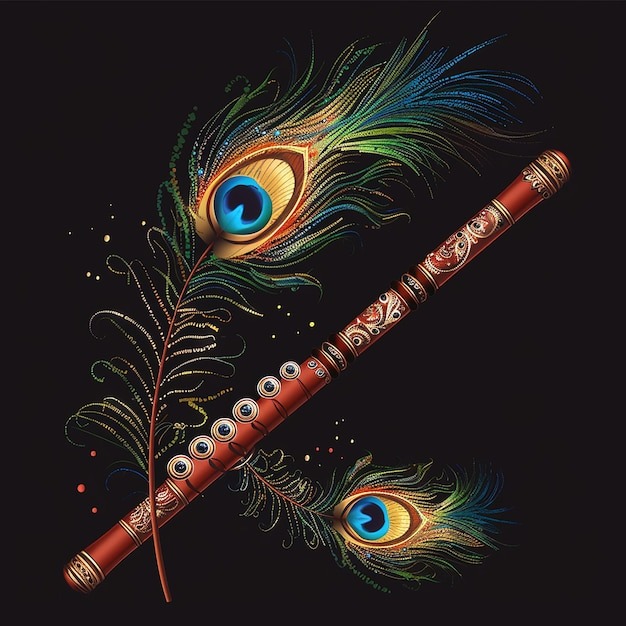
The flute is a versatile woodwind instrument admired across cultures for its expressive tone. In Indian classical music, the bansuri or bamboo flute holds a special place, widely used in both Carnatic and Hindustani styles.
This transverse flute, held sideways, is loved for its smooth, soothing and melodic sound that can evoke calm, devotion, love or joy.
Simple yet powerful, it carries emotion, grace and cultural depth through every note it plays.
Carnatic classical vocal is the soul of South Indian music, expressing deep emotion through voice using ragas (melodic scales) and talas (rhythmic cycles). Most performances include works of the Trinity—Tyagaraja, Muthuswami Dikshitar, and Syama Sastri. Key elements include Alapana (raga improvisation), Karikata (rhythmic solfa patterns), and Pallavi–Anupallavi–Charanam (composition structure). Legendary vocalists include M.S. Subbulakshmi, Semmangudi Srinivasa Iyer, and D.K. Pattammal.
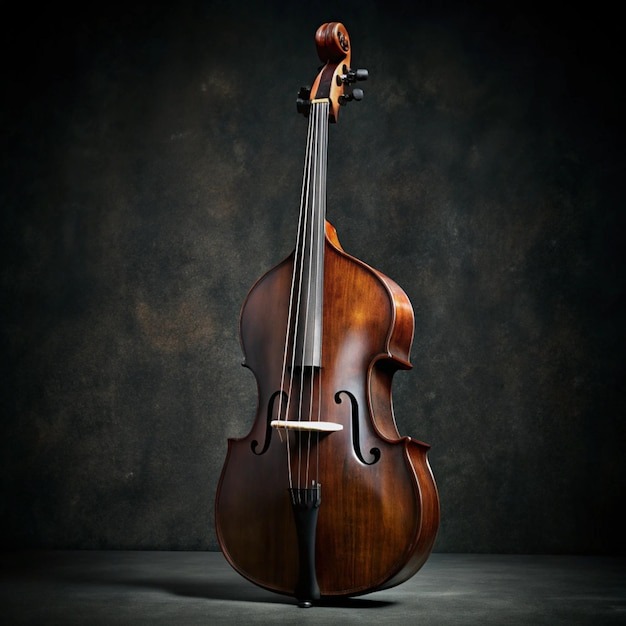
The violin is a versatile string instrument, central to Western classical and Indian Carnatic music. Played with a bow (arco) or plucked (pizzicato), it functions both as a prominent solo and a sensitive accompaniment. In Carnatic tradition it closely imitates the human voice, using slides (meend), oscillations (gamaka), and nuanced phrasing to convey melody, emotion, and vocal-like expressiveness in concerts.It enriches performances across genres worldwide.
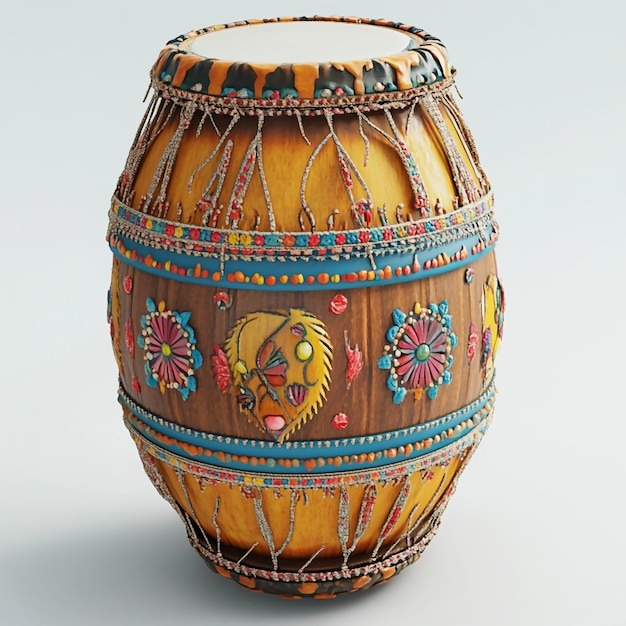
The mridangam is a classic two-headed drum from South India, central to Carnatic music. Carved from jackwood, it has leather heads tightened by straps; the smaller right side is high-pitched, the left deeper. It is the main percussion in concerts, setting tala, driving rhythm and offering solos.
Played with palms, fingers and wrist strokes like tha, ka, tom, din and gi, it gives rich tone and lively dialogue across performances and traditions with great energy.
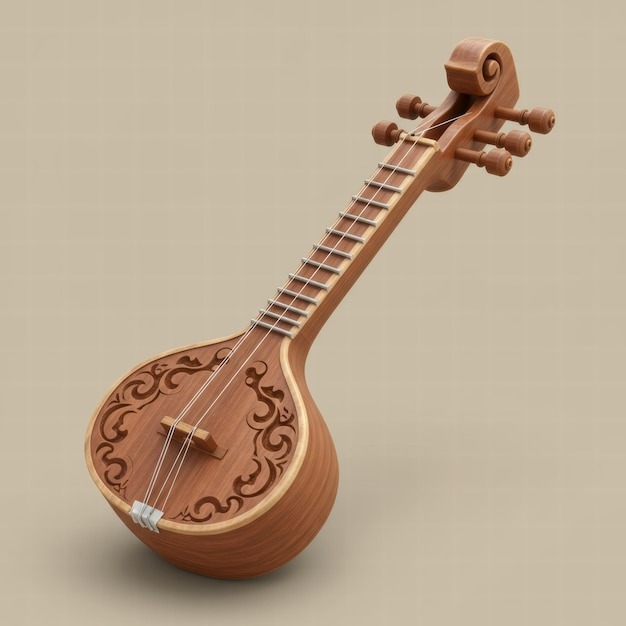
The veena is a traditional South Indian string instrument known for its rich, resonant tone and deep cultural value. A key instrument in Carnatic music, it is one of the oldest in India.
It has 7 main strings, a jackwood body with a large resonator, and is played seated, using one hand to press and the other to pluck. Types include the Saraswati, Vichitra, and Rudra Veena. Revered as a symbol of knowledge, it holds an honored place in concerts and rituals.
Carnatic classical music is a rich, ancient tradition from South India. It's known for its deep spiritual roots, intricate melodies (ragas), and rhythmic complexity (talas).
Key features: - Ragas: Melodic frameworks with specific scales and emotions. - Talas: Rhythmic cycles, like Adi (8 beats) and Rupaka (6 beats). - Composers: Trinity of Tyagaraja, Muthuswami Dikshitar, and Syama Sastri. - Performance: Usually includes vocal, violin, mridangam, and other instruments.
Worldwide digital sales of music now accounts
Read More >Worldwide digital sales of music now accounts


Read More >